
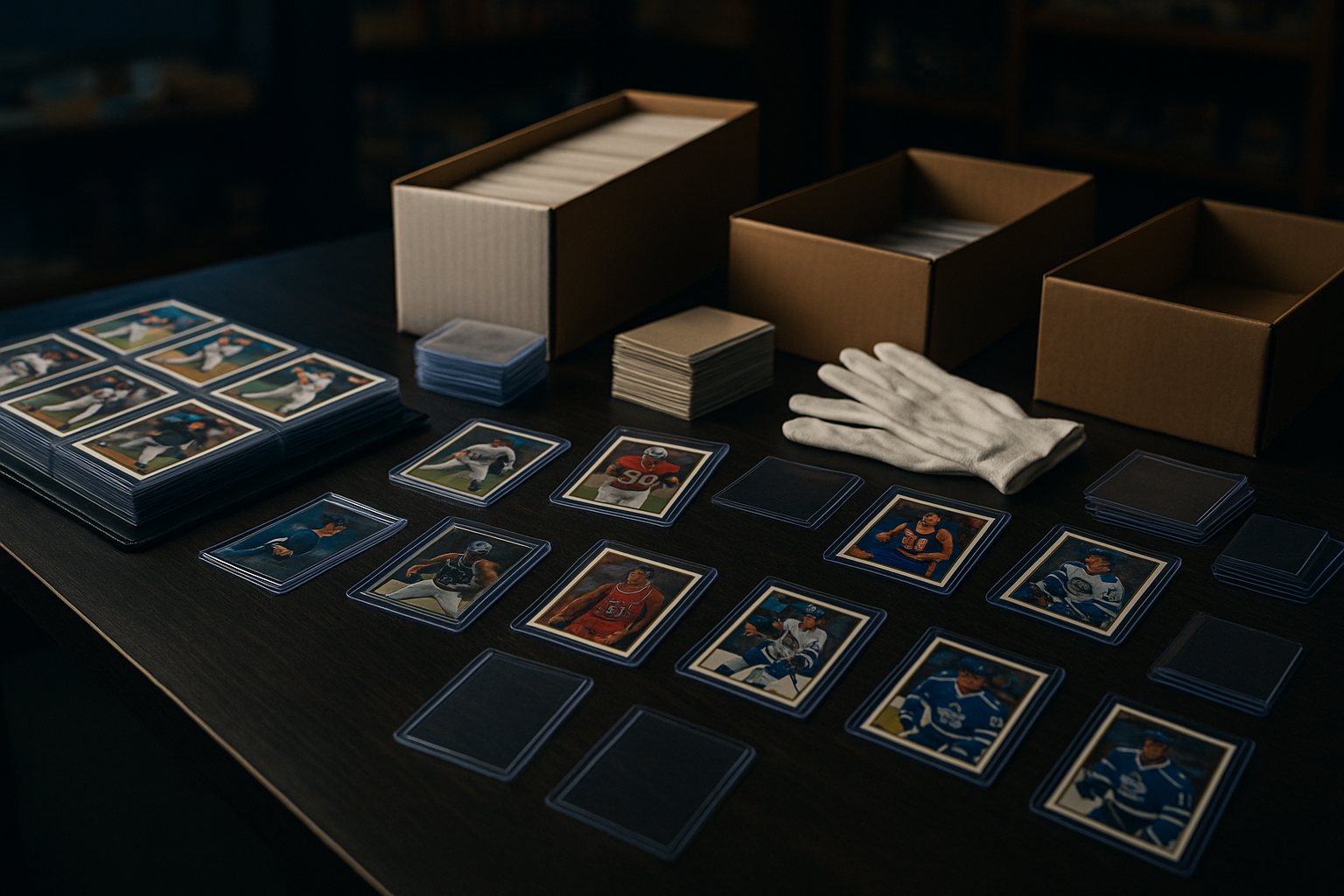
Sports card collecting is all about the thrill of discovery, preserving nostalgia, and building value for the future. Whether you’re new to the hobby or a seasoned collector, knowing the best ways to protect and store your cards is key. Let’s explore collector-approved strategies to keep your baseball, football, basketball, and hockey cards in top condition.
Understanding Card Condition and Value
Protecting the condition of your sports cards is fundamental to collecting—whether your passion is driven by nostalgia or investment potential. For many collectors, each card is a piece of history or a cherished memory, while for others, it’s a tangible asset whose value can rise dramatically over time. In both cases, maintaining card condition is paramount, as even the smallest flaw can mean the difference between a personal treasure and a depreciated asset. The most common types of damage collectors encounter are bends, surface scratches, corner and edge wear, fading, and moisture exposure. Bends and creases, often arising from improper handling or storage, can instantly plummet a card’s grade and eliminate most of its value. Surface scratches, sometimes invisible at first glance, dull both visual appeal and grading potential, especially when running across player images or autographs. Corner wear is ubiquitous, as even gentle drops can blunt a card’s sharp edges—the hallmark of premium condition. Exposure to sunlight may lead to fading, irreversibly weakening colors and making cards look washed out. Moisture is another prevalent threat; high humidity or liquid spills can warp, stain, or stick cards together, often ruining them entirely. The actual value of a card is a fusion of its rarity, age, player significance, and, critically, its condition. For example, a 1952 Topps Mickey Mantle is renowned for its astronomical value in perfect condition, but even small flaws—a tiny corner nick or faint print line—can result in drastic price reductions. Similarly, a modern Patrick Mahomes rookie card can command tens of thousands of dollars only when it achieves the highest grading thresholds, but a soft corner or fingerprint smudge takes away both slab grade and market demand. Player relevance further amplifies these effects; vintage legends like Babe Ruth or Jackie Robinson, as well as modern icons like Tom Brady or Shohei Ohtani, see exponential leaps in value for top-condition cards. Professional card grading companies use precise standards, and even minor flaws—such as off-centered printing or minute edge chipping—may drop a card from ‘Gem Mint 10’ to ‘Mint 9’ or lower, often halving its value or more. Experienced buyers and sellers meticulously inspect cards before trading, so maintaining pristine condition directly impacts your collection’s resale and trade opportunities. Proper handling habits are a first line of defense. Always wash and dry your hands before touching cards, or use clean powder-free gloves to avoid skin oils and fingerprints. Never handle cards near food or drinks, as accidental spills are a leading cause of preventable damage. Sunlight should be strictly avoided; cards displayed or stored in bright areas will fade dangerously fast. Even careful collectors should routinely check their collection, looking for early signs of wear or environmental threats so issues can be addressed before they worsen, ensuring every card remains as close to mint as possible for years to come.
Essential Storage Supplies Every Collector Needs
Every collector’s first line of defense against card damage is a carefully chosen array of storage supplies, each designed for a different level of protection and situation. Knowing what to use—and when—can make the difference between preserving cards in pristine condition and risking preventable wear. Penny sleeves are the foundation: ultra-thin, clear polypropylene sleeves that provide basic barrier protection against fingerprints, dust, and minor scratches. Their low cost means you can sleeve large numbers of cards efficiently, but their flexibility means cards inside can still bend fairly easily. Penny sleeves are perfect for most modern base cards and for pre-sleeving rookie or low-value inserts before putting them into more rigid protectors. Top loaders are rigid plastic holders that protect against bends, blunt impacts, and more serious edge and corner damage. When used with a penny sleeve, they keep valuable cards flat and clean, and are ideal for high-demand rookies, stars, and basic vintage cards you might handle or display. The main drawbacks are bulk and the open top—moisture or dust can still find its way in—so they’re best kept upright in storage boxes. Magnetic holders (or “one-touches”) offer both clarity and a secure, snap-tight enclosure. These are favored for the highest-value cards, such as low-numbered parallels, autograph or memorabilia issues, and extremely sought-after vintage cards. They’re heavier, more expensive, and—while they look great for display—can sometimes pinch or stress card edges if not sized correctly. Always check that your magnetic holder is acid-free, PVC-free, and designed for your card’s thickness; Silver Fox Collectibles, for example, sources only archival-grade, carefully curated holders for all eras, from thin tobacco cards to modern relics. Semi-rigid holders combine flexibility and structure—these are the sleeves most grading companies recommend for card submissions. They reduce pressure on card edges and make handling safer when cards are shipped or transported. For collectors planning to grade, or those who regularly trade and ship cards, semi-rigids are indispensable. Binders with archival pages offer a practical solution for organizing large sets, particularly for base cards and less fragile inserts. Nine-pocket, acid-free, and PVC-free pages prevent chemical reactions and softening that can damage cards over time, especially older or sensitive cardboard stocks. Modern binders have reinforced, gap-free rings and tight covers to keep dust and light out; handle with care to avoid veining. Storage boxes made from acid-free materials, with snug lids and compartmented interiors, keep sleeved or top-loaded cards organized and protected from crushing. Labeling each box—by sport, year, set, or tier of value—not only aids quick retrieval but also lessens accidental handling. Vintage and graded cards should be stored upright, never stacked, to prevent warping. Above all, match protection level to card value and vulnerability. Rookie and high-value cards deserve sleeves, rigid or magnetic holders, and boxed storage; base cards or recent commons can safely stay in penny sleeves inside binders or organized boxes. Complement these supplies with clear labeling and a trusted supplier’s commitment to quality—Silver Fox Collectibles delivers affordable, thoroughly vetted solutions to meet every collector’s needs._
Smart Storage Habits for Long-Term Protection
Smart storage habits are the foundation of long-term card protection, adding layers of security beyond what sleeves and holders can provide. To start, control over the storage environment is critical. Sports cards—especially vintage issues or premium modern releases—are highly sensitive to fluctuations in temperature and humidity. The ideal storage setting maintains a moderate, stable temperature (around 65–70°F or 18–21°C) and relative humidity between 35% and 50%. Fluctuations can cause warping, curling, or even mold growth over time. Avoid spaces prone to extremes, such as attics, which can overheat in summer or freeze in winter, and basements, which are notorious for damp air and potential flooding. Direct sunlight is a top enemy for card longevity. Ultraviolet (UV) exposure can quickly fade autographs, player images, and card stock itself, dramatically reducing value. Always select spaces away from windows and avoid displaying cards in well-lit rooms unless you’re using museum-grade UV-protective glass or cases. Even brief exposure at the wrong time of day can permanently alter a prized card. A clean, smoke-free room is indispensable. Airborne particles from dust, pet dander, and especially tobacco or vape smoke can settle onto card surfaces, embedding odors and yellowing corners over years. Regular cleaning and a dedicated storage area—preferably a low-traffic closet or home office—preserve that “fresh pack” look for the long haul. For collections rising in value or featuring rare, irreplaceable cards, physical security demands careful thought. Basic cardboard boxes are fine for bulk, common cards stored at home, but high-value or slabbed cards should be kept in lockable cabinets or fire-resistant safes. Modern safes often include digital humidity controls, offering double protection. When storing at a bank or off-site facility, ensure you have written documentation and, if possible, independent verification of contents should a claim ever be necessary. Shipping presents another set of risks demanding careful planning. Always use strong, rigid mailers or double-walled cardboard boxes. Inside, brace cards between extra top loaders or use bubble wrap to prevent shifting in transit. For ultra-premium cards, request signature delivery and insurance for full replacement value. Track every shipment and ask recipients to confirm delivery and immediately inspect contents. As part of staying organized, update your card inventory frequently—either via spreadsheet or a secure cloud-based application. Include clear photos and descriptions of ultra-valuable or sentimental cards. Carrying insurance tailored to collectibles is wise; review coverage limits annually and notify your carrier about significant new acquisitions to guarantee adequate protection. These habits don’t just prevent accidents or aging—they grant peace of mind and help ensure your collection’s beauty and value endure for generations.
Conclusions
Proper card protection and storage are essential habits for every sports card collector. By understanding card condition, choosing the right supplies, and practicing smart storage techniques, you ensure your collection stays safe, secure, and valuable. At Silver Fox Collectibles, we’re here to help collectors at every step—so you can enjoy your cards today and preserve them for generations to come.
Understanding Card Condition and Value
Protecting the condition of your sports cards is fundamental to collecting—whether your passion is driven by nostalgia or investment potential. For many collectors, each card is a piece of history or a cherished memory, while for others, it’s a tangible asset whose value can rise dramatically over time. In both cases, maintaining card condition is paramount, as even the smallest flaw can mean the difference between a personal treasure and a depreciated asset. The most common types of damage collectors encounter are bends, surface scratches, corner and edge wear, fading, and moisture exposure. Bends and creases, often arising from improper handling or storage, can instantly plummet a card’s grade and eliminate most of its value. Surface scratches, sometimes invisible at first glance, dull both visual appeal and grading potential, especially when running across player images or autographs. Corner wear is ubiquitous, as even gentle drops can blunt a card’s sharp edges—the hallmark of premium condition. Exposure to sunlight may lead to fading, irreversibly weakening colors and making cards look washed out. Moisture is another prevalent threat; high humidity or liquid spills can warp, stain, or stick cards together, often ruining them entirely. The actual value of a card is a fusion of its rarity, age, player significance, and, critically, its condition. For example, a 1952 Topps Mickey Mantle is renowned for its astronomical value in perfect condition, but even small flaws—a tiny corner nick or faint print line—can result in drastic price reductions. Similarly, a modern Patrick Mahomes rookie card can command tens of thousands of dollars only when it achieves the highest grading thresholds, but a soft corner or fingerprint smudge takes away both slab grade and market demand. Player relevance further amplifies these effects; vintage legends like Babe Ruth or Jackie Robinson, as well as modern icons like Tom Brady or Shohei Ohtani, see exponential leaps in value for top-condition cards. Professional card grading companies use precise standards, and even minor flaws—such as off-centered printing or minute edge chipping—may drop a card from ‘Gem Mint 10’ to ‘Mint 9’ or lower, often halving its value or more. Experienced buyers and sellers meticulously inspect cards before trading, so maintaining pristine condition directly impacts your collection’s resale and trade opportunities. Proper handling habits are a first line of defense. Always wash and dry your hands before touching cards, or use clean powder-free gloves to avoid skin oils and fingerprints. Never handle cards near food or drinks, as accidental spills are a leading cause of preventable damage. Sunlight should be strictly avoided; cards displayed or stored in bright areas will fade dangerously fast. Even careful collectors should routinely check their collection, looking for early signs of wear or environmental threats so issues can be addressed before they worsen, ensuring every card remains as close to mint as possible for years to come.
Essential Storage Supplies Every Collector Needs
Every collector’s first line of defense against card damage is a carefully chosen array of storage supplies, each designed for a different level of protection and situation. Knowing what to use—and when—can make the difference between preserving cards in pristine condition and risking preventable wear. Penny sleeves are the foundation: ultra-thin, clear polypropylene sleeves that provide basic barrier protection against fingerprints, dust, and minor scratches. Their low cost means you can sleeve large numbers of cards efficiently, but their flexibility means cards inside can still bend fairly easily. Penny sleeves are perfect for most modern base cards and for pre-sleeving rookie or low-value inserts before putting them into more rigid protectors. Top loaders are rigid plastic holders that protect against bends, blunt impacts, and more serious edge and corner damage. When used with a penny sleeve, they keep valuable cards flat and clean, and are ideal for high-demand rookies, stars, and basic vintage cards you might handle or display. The main drawbacks are bulk and the open top—moisture or dust can still find its way in—so they’re best kept upright in storage boxes. Magnetic holders (or “one-touches”) offer both clarity and a secure, snap-tight enclosure. These are favored for the highest-value cards, such as low-numbered parallels, autograph or memorabilia issues, and extremely sought-after vintage cards. They’re heavier, more expensive, and—while they look great for display—can sometimes pinch or stress card edges if not sized correctly. Always check that your magnetic holder is acid-free, PVC-free, and designed for your card’s thickness; Silver Fox Collectibles, for example, sources only archival-grade, carefully curated holders for all eras, from thin tobacco cards to modern relics. Semi-rigid holders combine flexibility and structure—these are the sleeves most grading companies recommend for card submissions. They reduce pressure on card edges and make handling safer when cards are shipped or transported. For collectors planning to grade, or those who regularly trade and ship cards, semi-rigids are indispensable. Binders with archival pages offer a practical solution for organizing large sets, particularly for base cards and less fragile inserts. Nine-pocket, acid-free, and PVC-free pages prevent chemical reactions and softening that can damage cards over time, especially older or sensitive cardboard stocks. Modern binders have reinforced, gap-free rings and tight covers to keep dust and light out; handle with care to avoid veining. Storage boxes made from acid-free materials, with snug lids and compartmented interiors, keep sleeved or top-loaded cards organized and protected from crushing. Labeling each box—by sport, year, set, or tier of value—not only aids quick retrieval but also lessens accidental handling. Vintage and graded cards should be stored upright, never stacked, to prevent warping. Above all, match protection level to card value and vulnerability. Rookie and high-value cards deserve sleeves, rigid or magnetic holders, and boxed storage; base cards or recent commons can safely stay in penny sleeves inside binders or organized boxes. Complement these supplies with clear labeling and a trusted supplier’s commitment to quality—Silver Fox Collectibles delivers affordable, thoroughly vetted solutions to meet every collector’s needs._
Smart Storage Habits for Long-Term Protection
Smart storage habits are the foundation of long-term card protection, adding layers of security beyond what sleeves and holders can provide. To start, control over the storage environment is critical. Sports cards—especially vintage issues or premium modern releases—are highly sensitive to fluctuations in temperature and humidity. The ideal storage setting maintains a moderate, stable temperature (around 65–70°F or 18–21°C) and relative humidity between 35% and 50%. Fluctuations can cause warping, curling, or even mold growth over time. Avoid spaces prone to extremes, such as attics, which can overheat in summer or freeze in winter, and basements, which are notorious for damp air and potential flooding. Direct sunlight is a top enemy for card longevity. Ultraviolet (UV) exposure can quickly fade autographs, player images, and card stock itself, dramatically reducing value. Always select spaces away from windows and avoid displaying cards in well-lit rooms unless you’re using museum-grade UV-protective glass or cases. Even brief exposure at the wrong time of day can permanently alter a prized card. A clean, smoke-free room is indispensable. Airborne particles from dust, pet dander, and especially tobacco or vape smoke can settle onto card surfaces, embedding odors and yellowing corners over years. Regular cleaning and a dedicated storage area—preferably a low-traffic closet or home office—preserve that “fresh pack” look for the long haul. For collections rising in value or featuring rare, irreplaceable cards, physical security demands careful thought. Basic cardboard boxes are fine for bulk, common cards stored at home, but high-value or slabbed cards should be kept in lockable cabinets or fire-resistant safes. Modern safes often include digital humidity controls, offering double protection. When storing at a bank or off-site facility, ensure you have written documentation and, if possible, independent verification of contents should a claim ever be necessary. Shipping presents another set of risks demanding careful planning. Always use strong, rigid mailers or double-walled cardboard boxes. Inside, brace cards between extra top loaders or use bubble wrap to prevent shifting in transit. For ultra-premium cards, request signature delivery and insurance for full replacement value. Track every shipment and ask recipients to confirm delivery and immediately inspect contents. As part of staying organized, update your card inventory frequently—either via spreadsheet or a secure cloud-based application. Include clear photos and descriptions of ultra-valuable or sentimental cards. Carrying insurance tailored to collectibles is wise; review coverage limits annually and notify your carrier about significant new acquisitions to guarantee adequate protection. These habits don’t just prevent accidents or aging—they grant peace of mind and help ensure your collection’s beauty and value endure for generations.
Conclusions
Proper card protection and storage are essential habits for every sports card collector. By understanding card condition, choosing the right supplies, and practicing smart storage techniques, you ensure your collection stays safe, secure, and valuable. At Silver Fox Collectibles, we’re here to help collectors at every step—so you can enjoy your cards today and preserve them for generations to come.
More like this
View all →
More in Uncategorized
Discovering Deals and Hidden Gems at Silver Fox Collectibles
Hunting for amazing finds and authentic deals is at the heart of the collectibles hobby. At Silver Fox Collectibles in Lisbon, Maine, we make…
June 16, 2026
7 min read
Common Mistakes New Collectors Make in the Sports Card Hobby
Starting a sports card collection is exciting, but even the most enthusiastic beginners can stumble. At Silver Fox Collectibles, we’ve seen what trips up…
June 8, 2026
8 min read
How Card Grading Impacts Value in the Modern Hobby
Card grading has become a game-changer in today’s sports card hobby, shaping how collectors view, buy, and sell cards of every era. Whether you…
June 4, 2026
7 min read