
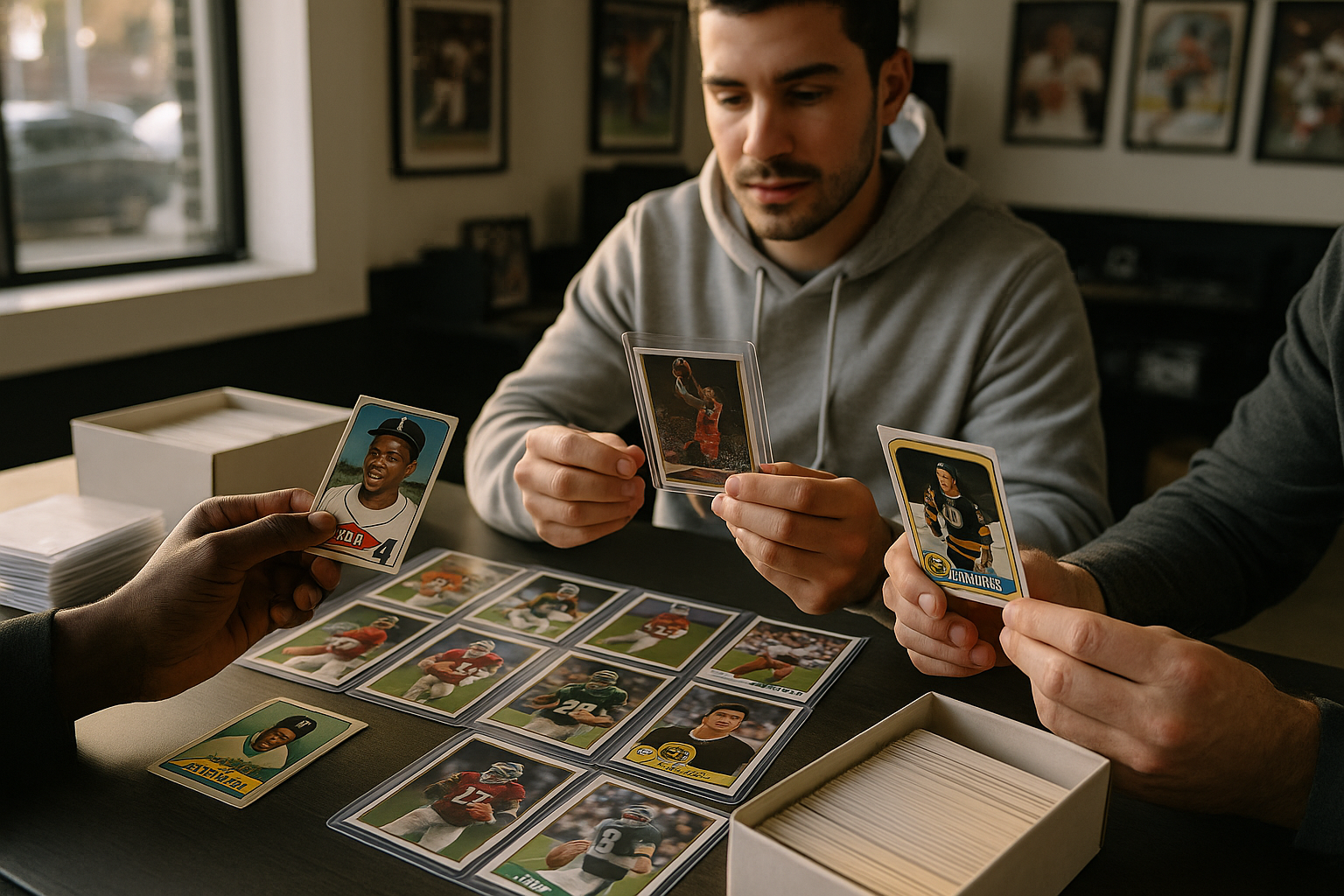
Starting a sports card collection is exciting, but even the most enthusiastic beginners can stumble. At Silver Fox Collectibles, we’ve seen what trips up new collectors—and how to avoid it. This guide covers the most common mistakes, helping you protect your investments, enjoy smarter collecting, and build confidence in the world of sports cards, memorabilia, and more.
Overlooking Card Condition and Authenticity
Too often, new sports card collectors become so excited by the thrill of the hunt or the aesthetics of an eye-catching card that they overlook two of the most critical factors influencing both value and collector satisfaction: card condition and authenticity. Understanding what makes a card “mint” or “gem mint”—and what doesn’t—can mean the difference between a treasured investment and a costly disappointment. Card condition is multifaceted; it is not just about having a crease-free card. There are four major aspects professionals and experienced collectors always observe: centering, corners, edges, and surface. Centering refers to how well the image and borders are aligned, and even a card fresh out of the pack can be off-center, drastically affecting its grade and value. Corners should be sharp—any dings or rounding instantly diminish both eye appeal and resale value. Edges must be free of chipping or wear, while the surface should have no scratches, stains, or print defects. High-resolution images can sometimes mask flaws, so when buying online, request multiple clear photos or videos of these critical zones, not just the card front. Authenticity is equally vital, especially for vintage cards, rookie cards, and anything autographed. Counterfeits and altered cards have become increasingly sophisticated. Reputable grading companies such as PSA, BGS, and SGC offer authentication and objective, third-party assessment of a card’s condition. Choose graded examples for high-value or high-risk items, and learn to read condition reports and slab details. If raw (ungraded) cards are your focus, dealing with well-reviewed sellers or trusted local card shops reduces risk. Always ask about provenance if you have doubts, particularly for major purchases. Proper handling and storage cannot be overstated. Place even low-value cards in penny sleeves and top loaders, or use magnetic holders for rarer items. Handle cards by the edges and always keep them away from moisture and direct sunlight. Being proactive in your care preserves both the value and the enjoyment of your collection. By making condition and authenticity top priorities now, you build good habits and prevent headaches later, even as you learn to navigate the market trends discussed in the next chapter.
Chasing Hype Instead of Personal Value
Chasing the latest “hot” cards or prospects can be an exhilarating aspect of sports card collecting—especially for newcomers eager to feel plugged into the buzz of card shows, social media, and online marketplaces. However, this pursuit of hype often leads new collectors down a precarious path. Many find themselves deeply invested in cards of players who simply haven’t yet proven themselves on the field, or in overproduced modern releases that later flood the market. While the allure of quick profits or owning the card everyone is talking about can be strong, this strategy frequently results in disappointment and financial loss when the hype subsides and values plummet. Speculative buying can be uniquely risky because the sports world is unpredictable. Injuries, slumps, trades, or the emergence of other stars can sink the value of a once-hyped card almost overnight. A rookie phenom or “can’t miss” prospect might flame out unexpectedly, leaving collectors with several high-priced cards that nobody wants. Conversely, the chase for the latest grail card—whether driven by influencer culture or media talking points—can distract from what makes collecting fun and personally meaningful. To avoid these pitfalls, new collectors should strive for balance. Before making a purchase based on hype, take time to research. Dive into the player’s history, performance trends, and how similar cards have performed over time. Look for patterns in previous “hot” players who fizzled, and study how collectors who focused on personal favorites or classic stars often built resilient, satisfying collections. Consider exploring vintage cards, forgotten rookies, or players from your favorite teams who may not be in the spotlight but offer lasting enjoyment and sometimes quieter, stable appreciation. Building a collection around nostalgia, personal milestones, or beloved teams transforms the hobby from a gamble into a lifelong passion. By focusing on personal value instead of pure speculation, you shield yourself against market volatility and develop a collection that tells a story unique to you. Over time, your enjoyment will come not from the fluctuating asking prices, but from knowing every card holds special meaning—while still leaving room for excitement when the right opportunity presents itself.
Ignoring Budget and Storage Essentials
Another overlooked trap for new sports card collectors is underestimating the real, ongoing costs of the hobby. Many beginners focus exclusively on card prices and forget to budget for everything else that comes with building and preserving a collection. Supplies such as card sleeves, top loaders, magnetic holders, and team bags should be considered right from the start—these essentials not only protect your investments but can add up significantly, especially when building a larger or higher-value collection. Even simple items like penny sleeves are vital for basic protection and organization, but the costs increase when you factor in upgraded materials for particularly valuable or sentimental cards. Equally important is planning for effective storage and display. Cards left in piles, soft binders, or basic shoeboxes are vulnerable to corner dings, scratches, color fading, and even moisture damage over time. Quality organization requires more robust solutions; for example, sturdy cardboard or plastic card boxes are crucial for bulk storage, while binders with acid-free pages are suited for set builders or collectors who want easy visual access. For high-end or autographed cards, hard cases or screw-down holders provide optimal long-term safety. If you wish to exhibit your best pieces, investing in display cases protects them from dust, sunlight, and accidental knocking while showcasing your favorites. Different storage methods impact both preservation and your ability to enjoy or expand your collection. Poor storage often leads to unexpected expenses down the line—replacing damaged cards or reorganizing poorly systematized boxes can be both costly and frustrating. It’s wise to periodically reassess your storage setup as your collection grows, anticipating future needs rather than scrambling for a solution after the fact. Developing a clear, realistic hobby budget that encompasses supplies, storage, and occasional upgrades will help avoid financial surprises and keep your collecting sustainable. By planning for both immediate finds and long-term treasures, you give yourself the freedom to collect confidently, knowing your efforts are being protected and organized. A purposeful approach to budget and storage preserves not only the condition of your cards but also your enthusiasm for the hobby as it evolves.
Missing Out on Trusted Advice and Community
A common mistake new collectors make is trying to navigate the sports card hobby completely alone, missing out on the invaluable wisdom and camaraderie of the broader collecting community. Collecting doesn’t have to be a solitary pursuit—there are seasoned hobbyists, trusted shop owners, and passionate fans who can help you avoid missteps, steer clear of scams, and make collecting far more fun and rewarding. Many local hobby shops are not just stores; they’re hubs of knowledge. Staff are usually experienced collectors themselves, happy to answer questions on card values, authenticity, or the best way to get started. Regular customers often swap stories, trade cards, or share advice, and asking questions in this relaxed, personal setting can deepen your understanding. Authorized dealers are also more likely to offer guarantees of authenticity and help you find reputable sellers, especially if you mention your interests and goals. Joining collector groups—whether at a local level or online—can connect you with people who have spent years learning about the hobby. Forums, Facebook groups, and Discord communities have sections just for newcomers, where no question is too basic. Here, members post tips on safe transactions, recommend trustworthy marketplaces, and warn about common scams. Even hobby shows provide a wealth of knowledge; simply chatting with a vendor or fellow collector can reveal trends in the market and lead to opportunities you’d never find solo. When buying, interacting with established members of these communities makes it easier to spot trustworthy sellers and avoid counterfeits or rip-offs. Look for sellers with strong reputations, completed deals, and plenty of positive feedback. Use secure online platforms with buyer protections and always check recent reviews before purchasing. If you’re buying multiple cards, don’t hesitate to ask about bundled prices or bulk shipping to save money—many dealers appreciate repeat business and will gladly work with you on costs. Above all, foster a mindset of learning and sharing. Collecting as part of a supportive community isn’t just safer—it’s immensely enjoyable. Sharing stories, showing off recent finds, and celebrating others’ successes will help you grow in confidence and expertise, making the hobby all the more satisfying.
Conclusions
Every collector starts somewhere, and learning from common missteps is part of the fun. With a focus on card condition, personal value, smart budgeting, and active involvement in the community, you can build your collection confidently. At Silver Fox Collectibles, we’re here to offer support, supplies, and insights to make every step of your hobby journey rewarding.
Overlooking Card Condition and Authenticity
Too often, new sports card collectors become so excited by the thrill of the hunt or the aesthetics of an eye-catching card that they overlook two of the most critical factors influencing both value and collector satisfaction: card condition and authenticity. Understanding what makes a card “mint” or “gem mint”—and what doesn’t—can mean the difference between a treasured investment and a costly disappointment. Card condition is multifaceted; it is not just about having a crease-free card. There are four major aspects professionals and experienced collectors always observe: centering, corners, edges, and surface. Centering refers to how well the image and borders are aligned, and even a card fresh out of the pack can be off-center, drastically affecting its grade and value. Corners should be sharp—any dings or rounding instantly diminish both eye appeal and resale value. Edges must be free of chipping or wear, while the surface should have no scratches, stains, or print defects. High-resolution images can sometimes mask flaws, so when buying online, request multiple clear photos or videos of these critical zones, not just the card front. Authenticity is equally vital, especially for vintage cards, rookie cards, and anything autographed. Counterfeits and altered cards have become increasingly sophisticated. Reputable grading companies such as PSA, BGS, and SGC offer authentication and objective, third-party assessment of a card’s condition. Choose graded examples for high-value or high-risk items, and learn to read condition reports and slab details. If raw (ungraded) cards are your focus, dealing with well-reviewed sellers or trusted local card shops reduces risk. Always ask about provenance if you have doubts, particularly for major purchases. Proper handling and storage cannot be overstated. Place even low-value cards in penny sleeves and top loaders, or use magnetic holders for rarer items. Handle cards by the edges and always keep them away from moisture and direct sunlight. Being proactive in your care preserves both the value and the enjoyment of your collection. By making condition and authenticity top priorities now, you build good habits and prevent headaches later, even as you learn to navigate the market trends discussed in the next chapter.
Chasing Hype Instead of Personal Value
Chasing the latest “hot” cards or prospects can be an exhilarating aspect of sports card collecting—especially for newcomers eager to feel plugged into the buzz of card shows, social media, and online marketplaces. However, this pursuit of hype often leads new collectors down a precarious path. Many find themselves deeply invested in cards of players who simply haven’t yet proven themselves on the field, or in overproduced modern releases that later flood the market. While the allure of quick profits or owning the card everyone is talking about can be strong, this strategy frequently results in disappointment and financial loss when the hype subsides and values plummet. Speculative buying can be uniquely risky because the sports world is unpredictable. Injuries, slumps, trades, or the emergence of other stars can sink the value of a once-hyped card almost overnight. A rookie phenom or “can’t miss” prospect might flame out unexpectedly, leaving collectors with several high-priced cards that nobody wants. Conversely, the chase for the latest grail card—whether driven by influencer culture or media talking points—can distract from what makes collecting fun and personally meaningful. To avoid these pitfalls, new collectors should strive for balance. Before making a purchase based on hype, take time to research. Dive into the player’s history, performance trends, and how similar cards have performed over time. Look for patterns in previous “hot” players who fizzled, and study how collectors who focused on personal favorites or classic stars often built resilient, satisfying collections. Consider exploring vintage cards, forgotten rookies, or players from your favorite teams who may not be in the spotlight but offer lasting enjoyment and sometimes quieter, stable appreciation. Building a collection around nostalgia, personal milestones, or beloved teams transforms the hobby from a gamble into a lifelong passion. By focusing on personal value instead of pure speculation, you shield yourself against market volatility and develop a collection that tells a story unique to you. Over time, your enjoyment will come not from the fluctuating asking prices, but from knowing every card holds special meaning—while still leaving room for excitement when the right opportunity presents itself.
Ignoring Budget and Storage Essentials
Another overlooked trap for new sports card collectors is underestimating the real, ongoing costs of the hobby. Many beginners focus exclusively on card prices and forget to budget for everything else that comes with building and preserving a collection. Supplies such as card sleeves, top loaders, magnetic holders, and team bags should be considered right from the start—these essentials not only protect your investments but can add up significantly, especially when building a larger or higher-value collection. Even simple items like penny sleeves are vital for basic protection and organization, but the costs increase when you factor in upgraded materials for particularly valuable or sentimental cards. Equally important is planning for effective storage and display. Cards left in piles, soft binders, or basic shoeboxes are vulnerable to corner dings, scratches, color fading, and even moisture damage over time. Quality organization requires more robust solutions; for example, sturdy cardboard or plastic card boxes are crucial for bulk storage, while binders with acid-free pages are suited for set builders or collectors who want easy visual access. For high-end or autographed cards, hard cases or screw-down holders provide optimal long-term safety. If you wish to exhibit your best pieces, investing in display cases protects them from dust, sunlight, and accidental knocking while showcasing your favorites. Different storage methods impact both preservation and your ability to enjoy or expand your collection. Poor storage often leads to unexpected expenses down the line—replacing damaged cards or reorganizing poorly systematized boxes can be both costly and frustrating. It’s wise to periodically reassess your storage setup as your collection grows, anticipating future needs rather than scrambling for a solution after the fact. Developing a clear, realistic hobby budget that encompasses supplies, storage, and occasional upgrades will help avoid financial surprises and keep your collecting sustainable. By planning for both immediate finds and long-term treasures, you give yourself the freedom to collect confidently, knowing your efforts are being protected and organized. A purposeful approach to budget and storage preserves not only the condition of your cards but also your enthusiasm for the hobby as it evolves.
Missing Out on Trusted Advice and Community
A common mistake new collectors make is trying to navigate the sports card hobby completely alone, missing out on the invaluable wisdom and camaraderie of the broader collecting community. Collecting doesn’t have to be a solitary pursuit—there are seasoned hobbyists, trusted shop owners, and passionate fans who can help you avoid missteps, steer clear of scams, and make collecting far more fun and rewarding. Many local hobby shops are not just stores; they’re hubs of knowledge. Staff are usually experienced collectors themselves, happy to answer questions on card values, authenticity, or the best way to get started. Regular customers often swap stories, trade cards, or share advice, and asking questions in this relaxed, personal setting can deepen your understanding. Authorized dealers are also more likely to offer guarantees of authenticity and help you find reputable sellers, especially if you mention your interests and goals. Joining collector groups—whether at a local level or online—can connect you with people who have spent years learning about the hobby. Forums, Facebook groups, and Discord communities have sections just for newcomers, where no question is too basic. Here, members post tips on safe transactions, recommend trustworthy marketplaces, and warn about common scams. Even hobby shows provide a wealth of knowledge; simply chatting with a vendor or fellow collector can reveal trends in the market and lead to opportunities you’d never find solo. When buying, interacting with established members of these communities makes it easier to spot trustworthy sellers and avoid counterfeits or rip-offs. Look for sellers with strong reputations, completed deals, and plenty of positive feedback. Use secure online platforms with buyer protections and always check recent reviews before purchasing. If you’re buying multiple cards, don’t hesitate to ask about bundled prices or bulk shipping to save money—many dealers appreciate repeat business and will gladly work with you on costs. Above all, foster a mindset of learning and sharing. Collecting as part of a supportive community isn’t just safer—it’s immensely enjoyable. Sharing stories, showing off recent finds, and celebrating others’ successes will help you grow in confidence and expertise, making the hobby all the more satisfying.
Conclusions
Every collector starts somewhere, and learning from common missteps is part of the fun. With a focus on card condition, personal value, smart budgeting, and active involvement in the community, you can build your collection confidently. At Silver Fox Collectibles, we’re here to offer support, supplies, and insights to make every step of your hobby journey rewarding.
More like this
View all →
More in Uncategorized
Best Ways to Protect and Store Sports Cards in 2026
Sports card collecting is all about the thrill of discovery, preserving nostalgia, and building value for the future. Whether you’re new to the hobby…
August 11, 2026
8 min read
Discovering Deals and Hidden Gems at Silver Fox Collectibles
Hunting for amazing finds and authentic deals is at the heart of the collectibles hobby. At Silver Fox Collectibles in Lisbon, Maine, we make…
June 16, 2026
7 min read
How Card Grading Impacts Value in the Modern Hobby
Card grading has become a game-changer in today’s sports card hobby, shaping how collectors view, buy, and sell cards of every era. Whether you…
June 4, 2026
7 min read