
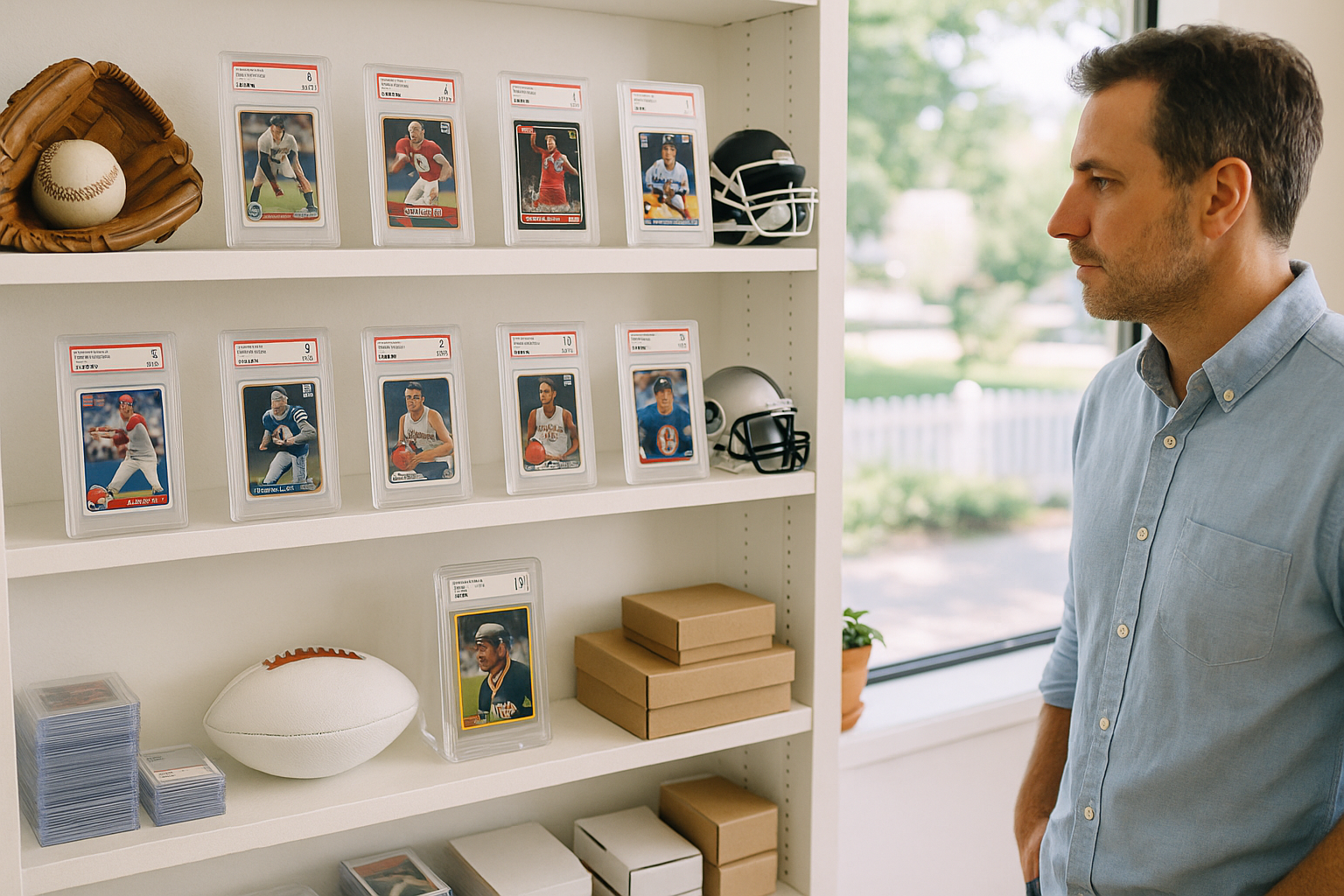
Card grading has become a game-changer in today’s sports card hobby, shaping how collectors view, buy, and sell cards of every era. Whether you chase rookie cards, vintage classics, or rare memorabilia, understanding card grading is key to making smart decisions, protecting your collection, and getting the most value out of every pickup.
The Basics of Card Grading
Card grading serves as the backbone for establishing trust, transparency, and consistent valuation in the modern card hobby. At its core, grading is a rigorous, impartial evaluation process where experts at respected third-party companies—such as PSA (Professional Sports Authenticator), BGS (Beckett Grading Services), SGC (Sportscard Guaranty), and CSG (Certified Sports Guaranty)—examine each card’s attributes and assign a grade based on industry standards. Collectors value these services because the companies have built reputations for accuracy, impartiality, and security. Their encapsulated “slabs” shield cards from damage and tampering, while the serial number and barcode add a layer of authenticity and provenance. The grading scale most companies use ranges from ‘Poor’ (often a 1) to ‘Gem Mint’ or ‘Pristine’ (a 10 or 10+), encompassing various intermediate levels. This scale reflects the card’s physical condition: a low grade might show creases, stains, or worn corners, whereas a ‘Gem Mint’ card appears flawless to the naked eye. High grades are so sought after because they are objectively rare, signaling that a card survived handling, packing, and decades of storage with minimal flaws. The standardized grading language—“PSA 10,” “BGS 9.5,” etc.—creates a shared lexicon, empowering buyers and sellers worldwide to negotiate confidently and precisely without physically inspecting a card. This shared trust and clarity transforms a subjective hobby into a secure marketplace, enhancing both investment protection and the joy of collecting.
How Card Condition Drives Value
Grading dives deep into a card’s physical traits, measuring aspects like centering, corners, edges, and surface with exacting standards. Even minuscule imperfections can create dramatic differences in value, especially for rookies or iconic vintage cards. For example, a 1986 Fleer Michael Jordan that’s perfectly centered, with razor-sharp corners and no print flaws, can sell for many multiples more than one with a tiny nick or slight surface scratch—even if both are freshly out of the pack. A card with slightly off-center printing—say 60/40 instead of perfect 50/50—might drop from Gem Mint to Mint, instantly changing marketplace value by hundreds or thousands of dollars on sought-after cards. Surface scratches, print dots, faint whitening at a corner, or a subtle edge ding are all factors graders scrutinize under magnification. For legendary cards, something as small as a soft lower left corner or microscopic stain can be the line between investment-grade and “just another card.” It’s these details that drive collectors to handle cards with care from the moment they’re pulled from a pack—using penny sleeves, semi-rigid holders, and strict sorting protocols. A single mishandled corner or careless surface touch can erase much of a modern card’s value, underlining why preservation isn’t just about pride of ownership, but is also a financial decision.
The Impact on Buying and Selling
Graded cards have revolutionized the way collectors buy and sell, making transactions smoother and more trustworthy, especially in the digital age. Encapsulation by reputable grading companies means buyers no longer have to rely solely on blurry photos or vague descriptions; an assigned grade delivers authoritative, universally recognized assurance. This transparency levels the playing field for both seasoned enthusiasts and newcomers, erasing much of the doubt and hesitation that once plagued remote deals. Whether browsing listings on major auction platforms, online marketplaces, or walking into specialized shops like Silver Fox, collectors see clear pricing benchmarks based on third-party grades, reducing confusion and the risks of over- or underpaying. Furthermore, sellers and dealers embracing grading can process high-value transactions confidently, knowing buyers are protected against subjective disagreements about condition. Online shops offer multi-item shipping discounts and secure, tamper-evident packaging tailored for encapsulated cards, giving peace of mind for even the most precious pieces in transit. By standardizing condition and guaranteeing authenticity, grading empowers global hobbyists to expand collections and liquidate investments with enhanced flexibility. This open, trustworthy market dynamic benefits everyone—from casual fans to investors—helping ensure that buying and selling modern or vintage gems is defined by clarity, protection, and shared enjoyment, not risk or uncertainty.
Should You Grade Your Own Cards?
Deciding whether to grade your own cards is both a practical and personal decision, shaped by the card’s type, your goals as a collector, and your willingness to invest time and money. Grading fees for popular services like PSA, BGS, and SGC can range from $15 to over $100 per card, depending on turnaround time and a card’s market value. For modern cards, grading generally benefits low-population parallels, rookie autographs, and cards with the potential to earn high grades; however, mass-produced modern base cards may not see a substantial value increase even if graded. Vintage cards, meanwhile, often gain more from grading, as authentication and condition confirmation can substantially impact their market value and liquidity. Before submitting, honestly assess your card’s condition under good lighting, using at least a 10x magnifier to check for centering, corners, edges, and surface flaws. Compare with examples of graded cards online to estimate your card’s likely grade—this can help avoid overspending on cards unlikely to fetch a premium. Carefully clean off dust and fingerprints (never use chemicals), and place cards in proper sleeves and semi-rigid holders as required by grading companies. Remember, not every card deserves grading, especially if sentimental or personal value outweighs monetary gain. Budget wisely, and consider grading only those cards that align with your goals while ensuring the process enhances your collecting enjoyment and confidence.
Building a Collection with Grading in Mind
Building a collection with grading in mind invites a more intentional, rewarding, and protective approach to the hobby. Grading offers a universal language of condition — enabling clear comparisons for both new and seasoned collectors. Start by seeking entry-level graded cards; these provide a low-risk introduction to the benefits of guaranteed authenticity and widely recognized condition assessments. As your knowledge and passion grow, you might pursue higher-grade or rarer cards, balancing nostalgia and investment. It’s wise to maintain a diverse collection, enjoying both graded and ungraded cards. Ungraded cards can offer cost-effective entry points and foster connections through trades and pack openings. However, always remain condition-aware: examine centering, corners, edges, and surface to spot potential future grading candidates or avoid pitfalls. A collector-first approach is best served in shops that prioritize your experience, such as Silver Fox. These shops offer honest advice, transparent pricing on graded inventory, and a supportive environment rich in expertise. They often stock the right supplies—like sleeves and holders—to protect your acquisitions, preserving both sentimental and financial value. Above all, engage with the community and collect what inspires you. Grading knowledge is a tool to enhance confidence in purchases, safeguard your collection, and maximize joy—not just chase value or trends dictated by speculation.
Conclusions
Grading profoundly influences a card’s value and collectibility. Knowing what grading means, how it works, and how to judge when to grade empowers you to collect with confidence and avoid costly missteps. Whether you collect for nostalgia or investment, grading knowledge is a genuine asset for every collector’s journey.
The Basics of Card Grading
Card grading serves as the backbone for establishing trust, transparency, and consistent valuation in the modern card hobby. At its core, grading is a rigorous, impartial evaluation process where experts at respected third-party companies—such as PSA (Professional Sports Authenticator), BGS (Beckett Grading Services), SGC (Sportscard Guaranty), and CSG (Certified Sports Guaranty)—examine each card’s attributes and assign a grade based on industry standards. Collectors value these services because the companies have built reputations for accuracy, impartiality, and security. Their encapsulated “slabs” shield cards from damage and tampering, while the serial number and barcode add a layer of authenticity and provenance. The grading scale most companies use ranges from ‘Poor’ (often a 1) to ‘Gem Mint’ or ‘Pristine’ (a 10 or 10+), encompassing various intermediate levels. This scale reflects the card’s physical condition: a low grade might show creases, stains, or worn corners, whereas a ‘Gem Mint’ card appears flawless to the naked eye. High grades are so sought after because they are objectively rare, signaling that a card survived handling, packing, and decades of storage with minimal flaws. The standardized grading language—“PSA 10,” “BGS 9.5,” etc.—creates a shared lexicon, empowering buyers and sellers worldwide to negotiate confidently and precisely without physically inspecting a card. This shared trust and clarity transforms a subjective hobby into a secure marketplace, enhancing both investment protection and the joy of collecting.
How Card Condition Drives Value
Grading dives deep into a card’s physical traits, measuring aspects like centering, corners, edges, and surface with exacting standards. Even minuscule imperfections can create dramatic differences in value, especially for rookies or iconic vintage cards. For example, a 1986 Fleer Michael Jordan that’s perfectly centered, with razor-sharp corners and no print flaws, can sell for many multiples more than one with a tiny nick or slight surface scratch—even if both are freshly out of the pack. A card with slightly off-center printing—say 60/40 instead of perfect 50/50—might drop from Gem Mint to Mint, instantly changing marketplace value by hundreds or thousands of dollars on sought-after cards. Surface scratches, print dots, faint whitening at a corner, or a subtle edge ding are all factors graders scrutinize under magnification. For legendary cards, something as small as a soft lower left corner or microscopic stain can be the line between investment-grade and “just another card.” It’s these details that drive collectors to handle cards with care from the moment they’re pulled from a pack—using penny sleeves, semi-rigid holders, and strict sorting protocols. A single mishandled corner or careless surface touch can erase much of a modern card’s value, underlining why preservation isn’t just about pride of ownership, but is also a financial decision.
The Impact on Buying and Selling
Graded cards have revolutionized the way collectors buy and sell, making transactions smoother and more trustworthy, especially in the digital age. Encapsulation by reputable grading companies means buyers no longer have to rely solely on blurry photos or vague descriptions; an assigned grade delivers authoritative, universally recognized assurance. This transparency levels the playing field for both seasoned enthusiasts and newcomers, erasing much of the doubt and hesitation that once plagued remote deals. Whether browsing listings on major auction platforms, online marketplaces, or walking into specialized shops like Silver Fox, collectors see clear pricing benchmarks based on third-party grades, reducing confusion and the risks of over- or underpaying. Furthermore, sellers and dealers embracing grading can process high-value transactions confidently, knowing buyers are protected against subjective disagreements about condition. Online shops offer multi-item shipping discounts and secure, tamper-evident packaging tailored for encapsulated cards, giving peace of mind for even the most precious pieces in transit. By standardizing condition and guaranteeing authenticity, grading empowers global hobbyists to expand collections and liquidate investments with enhanced flexibility. This open, trustworthy market dynamic benefits everyone—from casual fans to investors—helping ensure that buying and selling modern or vintage gems is defined by clarity, protection, and shared enjoyment, not risk or uncertainty.
Should You Grade Your Own Cards?
Deciding whether to grade your own cards is both a practical and personal decision, shaped by the card’s type, your goals as a collector, and your willingness to invest time and money. Grading fees for popular services like PSA, BGS, and SGC can range from $15 to over $100 per card, depending on turnaround time and a card’s market value. For modern cards, grading generally benefits low-population parallels, rookie autographs, and cards with the potential to earn high grades; however, mass-produced modern base cards may not see a substantial value increase even if graded. Vintage cards, meanwhile, often gain more from grading, as authentication and condition confirmation can substantially impact their market value and liquidity. Before submitting, honestly assess your card’s condition under good lighting, using at least a 10x magnifier to check for centering, corners, edges, and surface flaws. Compare with examples of graded cards online to estimate your card’s likely grade—this can help avoid overspending on cards unlikely to fetch a premium. Carefully clean off dust and fingerprints (never use chemicals), and place cards in proper sleeves and semi-rigid holders as required by grading companies. Remember, not every card deserves grading, especially if sentimental or personal value outweighs monetary gain. Budget wisely, and consider grading only those cards that align with your goals while ensuring the process enhances your collecting enjoyment and confidence.
Building a Collection with Grading in Mind
Building a collection with grading in mind invites a more intentional, rewarding, and protective approach to the hobby. Grading offers a universal language of condition — enabling clear comparisons for both new and seasoned collectors. Start by seeking entry-level graded cards; these provide a low-risk introduction to the benefits of guaranteed authenticity and widely recognized condition assessments. As your knowledge and passion grow, you might pursue higher-grade or rarer cards, balancing nostalgia and investment. It’s wise to maintain a diverse collection, enjoying both graded and ungraded cards. Ungraded cards can offer cost-effective entry points and foster connections through trades and pack openings. However, always remain condition-aware: examine centering, corners, edges, and surface to spot potential future grading candidates or avoid pitfalls. A collector-first approach is best served in shops that prioritize your experience, such as Silver Fox. These shops offer honest advice, transparent pricing on graded inventory, and a supportive environment rich in expertise. They often stock the right supplies—like sleeves and holders—to protect your acquisitions, preserving both sentimental and financial value. Above all, engage with the community and collect what inspires you. Grading knowledge is a tool to enhance confidence in purchases, safeguard your collection, and maximize joy—not just chase value or trends dictated by speculation.
Conclusions
Grading profoundly influences a card’s value and collectibility. Knowing what grading means, how it works, and how to judge when to grade empowers you to collect with confidence and avoid costly missteps. Whether you collect for nostalgia or investment, grading knowledge is a genuine asset for every collector’s journey.
More like this
View all →
More in Uncategorized
Best Ways to Protect and Store Sports Cards in 2026
Sports card collecting is all about the thrill of discovery, preserving nostalgia, and building value for the future. Whether you’re new to the hobby…
August 11, 2026
8 min read
Discovering Deals and Hidden Gems at Silver Fox Collectibles
Hunting for amazing finds and authentic deals is at the heart of the collectibles hobby. At Silver Fox Collectibles in Lisbon, Maine, we make…
June 16, 2026
7 min read
Common Mistakes New Collectors Make in the Sports Card Hobby
Starting a sports card collection is exciting, but even the most enthusiastic beginners can stumble. At Silver Fox Collectibles, we’ve seen what trips up…
June 8, 2026
8 min read